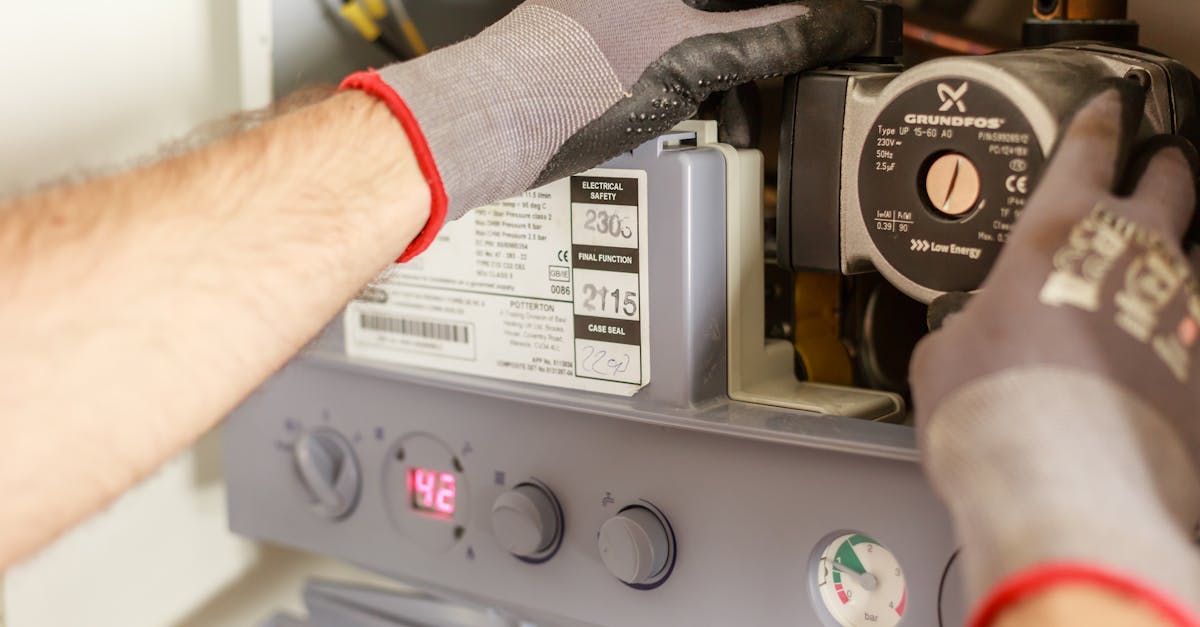
Gas leaks are one of the most serious plumbing emergencies a household or business can face, and knowing how to respond in those first critical moments can mean the difference between safety and disaster. When warning signs appear, having the number of a trusted emergency gas plumber on hand is just as important as knowing when to evacuate. This article explains how to spot a gas leak, what to do immediately, the key dangers to avoid, and when to call for professional help, so you’re always ready to respond with confidence in a crisis.
Key Takeaways
- Recognising the distinct smell of rotten eggs is crucial for early detection of a gas leak in your home or business.
- If you suspect a gas leak, immediately stop using gas appliances, avoid electrical switches, ventilate the area, and evacuate all occupants safely.
- Always call the National Gas Emergency Service on 0800 111 999 without delay when you detect signs of a gas leak to ensure professional intervention.
- Ignoring a gas leak increases risks of explosion, fire, and carbon monoxide poisoning, which can be fatal or cause serious health issues.
- Emergency gas plumbers play a vital role in safely isolating leaks and repairing damage once authorities declare the property safe.
- Regular maintenance by Gas Safe registered engineers and the use of carbon monoxide alarms are essential preventive measures to avoid future gas leaks.
Spotting the Signs of a Gas Leak in Your Home
The most obvious sign that you have a gas leak is the distinct smell of gas. If you detect a sudden odour similar to rotten eggs anywhere in your home, this is often an early warning of a gas escape. Suppliers in the UK add this smell to make leaks easier to recognise. Other signs include a sudden loss of gas supply to your appliances, hissing noises near gas pipes, or unexplained physical symptoms among people indoors, such as persistent headaches, dizziness, nausea or breathlessness, which could indicate carbon monoxide exposure.
Sometimes, you might even notice dead or discoloured plants or grass above a buried gas pipe, or bubbling in still water outside. If you spot any of these signs, even if you’re unsure, it’s safer to assume a leak and treat the situation seriously. Always err on the side of caution and prepare to contact emergency services.
Immediate Safety Steps to Take During a Gas Leak
If you suspect a gas leak, act calmly but quickly. Stop using all gas appliances immediately. Do not switch any electrical items on or off, as a spark could trigger an explosion. Avoid using phones indoors: step outside to call for help.
Open doors and windows to increase ventilation, and if it is safe, turn off the gas supply at the meter, unless the meter is in a cellar or basement (in which case, don’t enter). Extinguish all naked flames, cigarettes, and do not light matches or lighters. Evacuate the area with everyone in the building, pets included, and keep others away from the property.
Call the National Gas Emergency Service right away on 0800 111 999 (free, 24/7). If there is a fire, dial 999 first before informing the Gas Emergency Service. Only return once engineers have assessed and declared the property safe.
Risks and Dangers of Ignoring a Suspected Gas Leak
Ignoring even the faintest hint of a gas leak is never worth the risk. A build-up of leaked gas dramatically increases the potential for an explosion or a fire, which can destroy property and, more importantly, put lives at risk. Unsuspected leaks are also a key cause of carbon monoxide poisoning, which can quickly prove fatal in confined areas. Even brief exposure may cause serious health problems, including unconsciousness or long-term effects.
Children, older people, and anyone with breathing difficulties are particularly vulnerable. If anyone starts to feel unwell, especially with headaches, nausea, or confusion, after a possible gas escape, seek medical advice after getting fresh air. This highlights why immediate action and reliable emergency plumbing services are crucial whenever you suspect a leak.
When to Call an Emergency Gas Plumber: Key Scenarios Explained
Whether you’re a homeowner, property manager, or a business owner, never hesitate to call for help if you suspect a gas leak. It’s vital to call the National Gas Emergency Service on 0800 111 999 for any of these scenarios:
- Smelling gas either inside or outside your property
- Hearing hissing, whistling, or unusual noises near gas pipes or appliances
- Noticing a sudden loss of supply or unexplained gas outages
- Discovering physical damage to gas pipes, valves, or appliances
- Experiencing carbon monoxide symptoms as described above
- Hitting or disturbing a buried gas pipe during works (‘dial before you dig‘ applies)
An emergency plumber, such as those at 24hr Emergency Plumber Brisbane, should be called directly when the property is safe for gas appliance repairs or to check for ongoing damage. The central rule is: act quickly, do not try to confirm the leak yourself, and never wait for the smell to get stronger.
What to Expect: The Process of Emergency Gas Plumbing Callouts
Once you contact the National Gas Emergency Service, you’ll be advised what steps to take before their engineer arrives, and they will dispatch a local emergency professional, who will always show ID. The primary job is to isolate and make safe any gas leak or threat. Engineers will check pipes, test for the presence of gas, and take measures to ventilate and secure the property. Until they declare the building safe, do not re-enter.
If a repair or appliance adjustment is needed, only a qualified Gas Safe registered engineer or licensed plumber should be employed for the work. For properties in Brisbane, 24hr Emergency Plumber Brisbane offers rapid response for repairs and restoration once the emergency authorities give the all-clear. Expect a clear explanation of the problem, repair options, and safety checks before returning any appliances to service.
How to Prevent Future Gas Leaks: Maintenance and Safety Tips
Prevention is always more effective (and safer) than cure about gas safety. Regular servicing of all gas appliances by a Gas Safe registered engineer is essential, as is booking prompt repairs for any issues you notice. Annual checks, especially before winter peaks, dramatically cut the risk of future leaks.
Install and maintain carbon monoxide alarms throughout your property, never ignore warnings or sounds from these devices. For any digging or groundwork, use professional services and always check with Linesearch or your local provider to avoid damaging underground gas pipes. For boilers or gas supply concerns, call your supplier (such as 0303 031 1200 in the UK). If you’re in need of repairs, replacements, or ongoing safety advice in Brisbane, 24hr Emergency Plumber Brisbane provides round-the-clock support to keep your home or business safe year-round.
About 24hr Emergency Plumber Brisbane
Business: 24hr Emergency Plumber Brisbane
Spokesperson: Joseph
Position: Director
Phone: 0485800209
Email: [email protected]
Location: 28 Blackwood Rd, Geebung QLD 4034
Website: http://emergencyplumber-brisbane.com.au/
Google Maps Link: https://maps.app.goo.gl/AcJX5UUUEUf9RXBg6
FAQs About Emergency Gas Plumber
What are the first signs of a gas leak in my home?
The distinct smell of gas, similar to rotten eggs, is the primary sign. Other indicators include hissing sounds near pipes, loss of gas supply, and symptoms like headaches or dizziness, which may suggest carbon monoxide exposure.
What immediate actions should I take if I suspect a gas leak?
Stop using all gas appliances, avoid switching electrical devices on/off, open windows for ventilation, turn off the gas meter if safe, evacuate everyone including pets, and call the National Gas Emergency Service on 0800 111 999 from outside.
When exactly should I call an emergency gas plumber?
Call an emergency gas plumber or the National Gas Emergency Service immediately if you smell gas, hear hissing near gas pipes, notice supply loss, discover pipe damage, or experience carbon monoxide symptoms. Do not try to confirm the leak yourself.
Why is it dangerous to ignore a suspected gas leak?
Ignoring a leak risks deadly explosions, fires, and carbon monoxide poisoning, which can be fatal. Even brief exposure to the gas can cause serious health issues, so prompt action is crucial to protect life and property.
How do emergency gas engineers handle a gas leak callout?
After contacting the emergency service, a qualified engineer with ID will be dispatched to isolate and make safe any leaks. They will test for gas presence, ventilate the area, and advise when it is safe to re-enter the property.
What steps can I take to prevent future gas leaks in my property?
Regularly service all gas appliances with a Gas Safe registered engineer, install and maintain carbon monoxide alarms, never ignore alarm warnings, and always check underground pipe locations before digging using Linesearch or local providers.