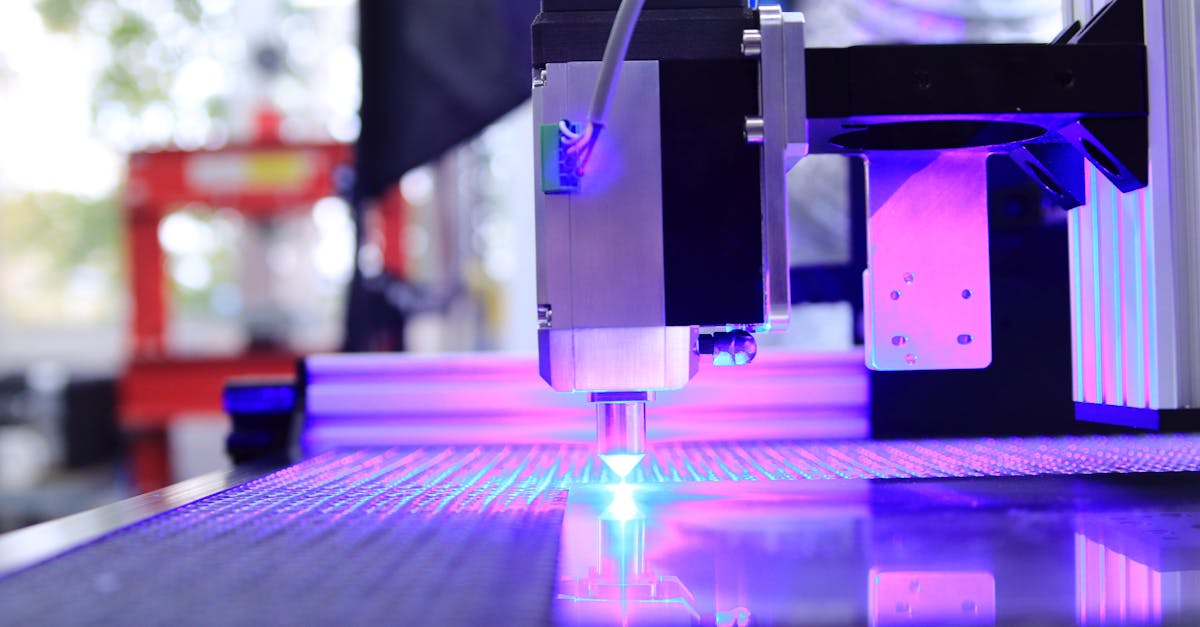
Plastic components have quietly become some of the most demanding parts in modern OEM production, with industries like medical devices, automotive, and electronics relying on tight tolerances, complex geometries, and materials ranging from everyday ABS to high-performance PEEK and Ultem. Sourcing plastic cnc machining china suppliers has become a default move for OEMs trying to balance precision with cost, especially as Chinese facilities continue investing in 5-axis equipment and ISO-certified quality systems.
This article walks through what to look for in a supplier, the materials and certifications that matter, and how to build a partnership that holds up across production cycles.
Key Takeaways
- Plastic CNC machining is essential for OEMs requiring precise, scalable, and cost-effective manufacturing solutions, especially when sourcing from China in 2026.
- Top Chinese plastic CNC machining suppliers offer advanced technology like 5-axis machines, certifications such as ISO 9001, and strong communication support for efficient OEM collaboration.
- Choosing the right plastic materials, including ABS, PC, PEEK, and Ultem, is crucial to meet OEM specifications for durability and functionality.
- Evaluating supplier capabilities involves verifying certifications, inspecting sample parts, and confirming modern CNC equipment and production capacity.
- Sourcing plastic CNC machining in China can reduce costs by 20% to 50% compared to US or EU providers, with volume discounts and manageable setup fees.
- Ensuring quality control through FAI reports, CMM inspections, and compliance standards like PPAP is vital for OEM product reliability and performance.
Why Choose Plastic CNC Machining for OEM Manufacturing?
Plastic CNC machining offers precision unmatched by many other manufacturing methods, especially when producing complex geometries with tight tolerances as fine as ±0.01mm. Its flexibility supports rapid prototyping and smooth scalability from low to high-volume production runs. Industries such as automotive, medical devices, and electronics rely heavily on this technology to deliver custom plastic components that meet strict performance criteria. Also, plastic machining can adapt quickly to design changes, making it ideal for OEMs that require agility during product development and launch.
Top Qualities to Look for in Chinese Plastic CNC Machining Suppliers
When selecting a Chinese plastic CNC machining supplier, certifications like ISO 9001 and ISO 14001 are vital indicators of quality management and environmental responsibility. Suppliers equipped with 5-axis CNC machines demonstrate advanced capability for complex shapes. In-house tooling capabilities speed up lead times, often ranging from 3 to 7 days for prototypes. Material traceability ensures components meet OEM compliance standards, while RoHS certification confirms adherence to safety regulations. English-speaking support is essential for clear communication and efficient project management.
Leading Plastic CNC Machining Materials Commonly Used by OEMs
OEMs commonly use materials such as ABS, polycarbonate (PC), polymethyl methacrylate (PMMA or acrylic), nylon (PA), and POM (Delrin) for their balance of strength and machinability. High-performance plastics like PEEK and Ultem offer exceptional durability and chemical resistance, ideal for demanding applications. PTFE, PVC, PET, and polypropylene (PP) also find regular use depending on the required mechanical and thermal properties. Selecting the right material is crucial to meeting OEM specifications for functionality and longevity.
How to Evaluate Supplier Capabilities and Technology in China
Evaluating suppliers involves checking certifications such as ISO and IATF 16949, which confirm adherence to quality standards, especially in automotive sectors. Virtual facility inspections or onsite audits help verify production environments and equipment conditions. Reviewing sample parts provides insight into machining precision and finish quality. Machine brands like Haas and DMG Mori indicate modern CNC equipment, and use of CAD/CAM software such as Mastercam highlights digital integration. Production capacity, with daily outputs exceeding 1,000 parts, signals ability to scale for OEM demand.
Cost Considerations When Sourcing Plastic CNC Machining in China
Plastic CNC machining in China typically costs 20% to 50% less than comparable services in the US or EU. Material costs vary widely from $5 to $50 per kilogram, depending on plastic type. Setup fees ranging from $100 to $500 cover tooling and programming. Volume discounts become significant beyond 10,000 units, with per-part prices dropping to as low as $0.50. Minimum order quantities usually fall between 100 and 500 pieces. Buyers should budget an additional 10% to 20% for shipping and tariffs, ensuring the final landed cost aligns with OEM budgets.
Ensuring Quality Control and Compliance with OEM Standards
Robust quality control is non-negotiable for OEM components. Requesting First Article Inspection (FAI) reports validates initial part conformity. Coordinate CMM (Coordinate Measuring Machine) inspections for dimensional accuracy. Material certifications reassure that plastics meet required standards. Third-party audits, such as those by SGS, add credibility. Automotive clients can insist on Production Part Approval Process (PPAP) compliance. Integrated ERP systems allow real-time production tracking and typically enable suppliers to achieve yield rates of 99.9%, minimizing defects.
Tips for Building a Successful Partnership with Chinese CNC Machining Suppliers
Starting with smaller orders lets both parties establish trust and evaluate processes without major risk. Communication should use tools popular in China like WeChat alongside email for clarity and responsiveness. Visiting factories firsthand provides transparency and fosters stronger relationships. Negotiating Non-Disclosure Agreements protects proprietary designs. Long-term contracts with volume-based pricing benefit cost control and supply reliability. Platforms such as Alibaba help identify reputable suppliers during initial vetting, but direct engagement remains key to partnership success.
About XTJ CNC
Business: XTJ CNC
Spokesperson: Hafiz Pan
Position: Director of Operations
Phone: +1 218 527 7419
Email: [email protected]
Location: 506 S Rangeline Rd, Carmel, IN 46032, USA
Website: http://xtjcnc.com
Google Maps Link: https://maps.app.goo.gl/2qt51vePKNrhhKZm6
Frequently Asked Questions about Plastic CNC Machining from China for OEMs
Why is plastic CNC machining preferred for OEM manufacturing?
Plastic CNC machining offers high precision with tight tolerances (±0.01mm), flexibility for rapid prototyping, and scalability for low to high-volume production, making it ideal for OEMs in automotive, medical, and electronics sectors.
What qualities should I look for in a Chinese plastic CNC machining supplier?
Key qualities include ISO 9001/14001 certifications, 5-axis CNC machine capabilities, in-house tooling, fast lead times (3-7 days for prototypes), material traceability, RoHS compliance, and English-speaking support for clear communication.
Which plastic materials are commonly used by OEMs in CNC machining?
Popular plastics for OEM machining include ABS, polycarbonate (PC), PMMA (acrylic), nylon (PA), POM (Delrin), PTFE, PVC, PET, polypropylene, and high-performance materials like PEEK and Ultem for durability and chemical resistance.
How can I evaluate the capabilities of plastic CNC machining suppliers in China?
Evaluate suppliers by checking certifications (ISO, IATF 16949), reviewing sample parts, inspecting facilities virtually or onsite, confirming modern machinery brands like Haas or DMG Mori, verifying use of CAD/CAM software, and assessing production capacity over 1,000 parts daily.
What cost benefits can OEMs expect when sourcing plastic CNC machining from China?
China offers 20-50% lower costs than US/EU due to labor and materials, with material prices $5-$50/kg, setup fees $100-$500, volume discounts beyond 10,000 units lowering per-part cost to $0.50 or less, and MOQs from 100-500 pieces, plus 10-20% extra for shipping and tariffs.
How can OEMs ensure quality control and compliance with standards when sourcing plastic CNC parts in China?
OEMs should request First Article Inspection reports, coordinate CMM inspections, verify material certifications, require third-party audits like SGS, enforce PPAP compliance for automotive parts, and monitor production via integrated ERP systems ensuring defect rates under 0.1%.