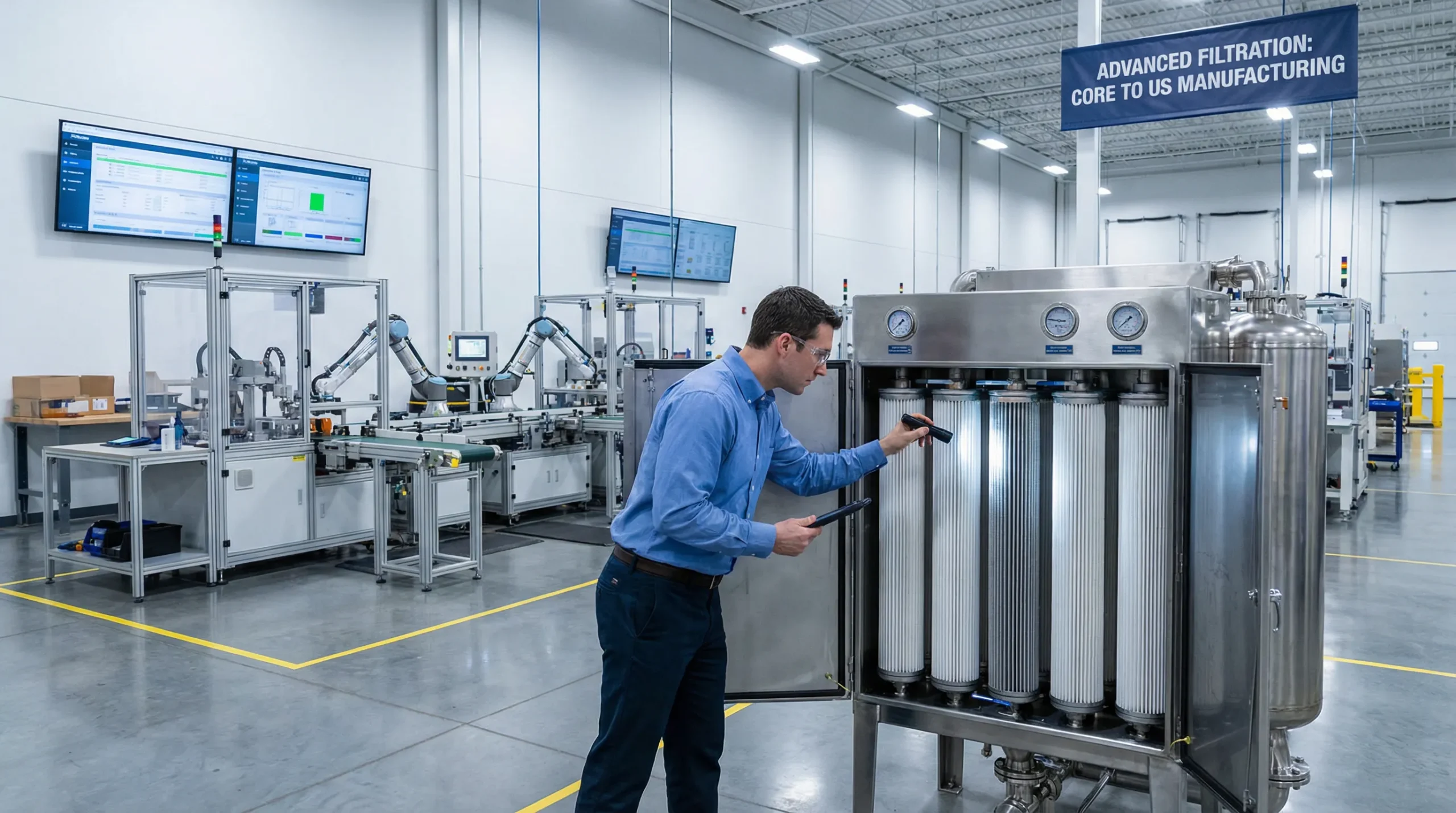
Industrial filters are at the core of modern manufacturing, ensuring the quality, consistency, and safety of processes across industries like pharmaceuticals, microelectronics, food and beverage, and automotive manufacturing. As process requirements and regulatory standards grow more stringent, companies sourcing from a reliable industrial filter manufacturer have a measurable advantage in maintaining uptime, achieving compliance, and protecting sensitive production equipment.
This article provides a focused look at what industrial filters are, the main types used on manufacturing lines, how they work, the primary applications, real-world benefits, and proper maintenance strategies.
Key Takeaways
- Industrial filters are essential for maintaining product quality, equipment longevity, and regulatory compliance in manufacturing processes.
- There are various types of industrial filters like membrane pleated, high flow, bag, depth, and air filters, each suited for specific applications and contaminants.
- Industrial filters work by physically separating unwanted particles and microorganisms using surface and depth filtration mechanisms with precise micron ratings.
- Advanced industrial filters, such as those from Pullner Filter, deliver high retention efficiency and operational uptime while reducing maintenance costs.
- Proper maintenance, including monitoring differential pressure and timely cartridge replacement, is crucial to ensure filtration system performance and consistent manufacturing output.
Defining Industrial Filters
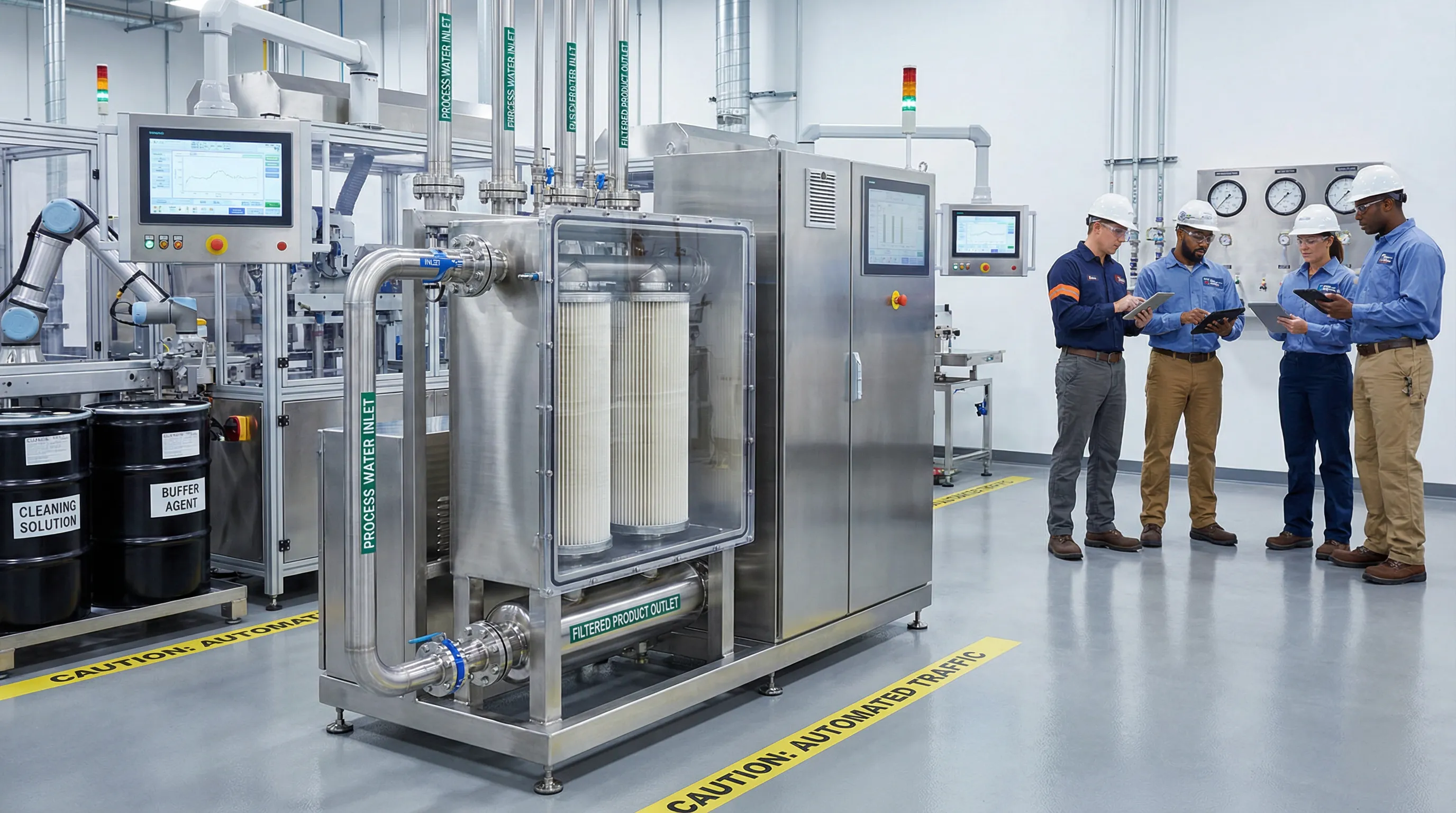
Industrial filters refer to specialized equipment engineered to remove unwanted solids, contaminants, or microorganisms from gases and liquids used throughout manufacturing processes. They maintain product quality, protect equipment, ensure regulatory compliance, and extend operational uptime. These filters are designed for continuous, high-throughput environments and are crucial for industries where purity and precision are non-negotiable, such as pharmaceutical ingredient processing, beverage clarification, semiconductor wafer fabrication, and automotive paint lines.
A well-constructed industrial filter system combines robust housing, filtration media (membranes, pleated cartridges, or depth media), and a reliable sealing mechanism. Pullner Filter, operating from its 10,000 square meter cleanroom facility in Shanghai, offers filter solutions that meet global manufacturing standards, with filter cartridges engineered for maximum retention efficiency and long service life.
Types of Industrial Filters Used in Manufacturing
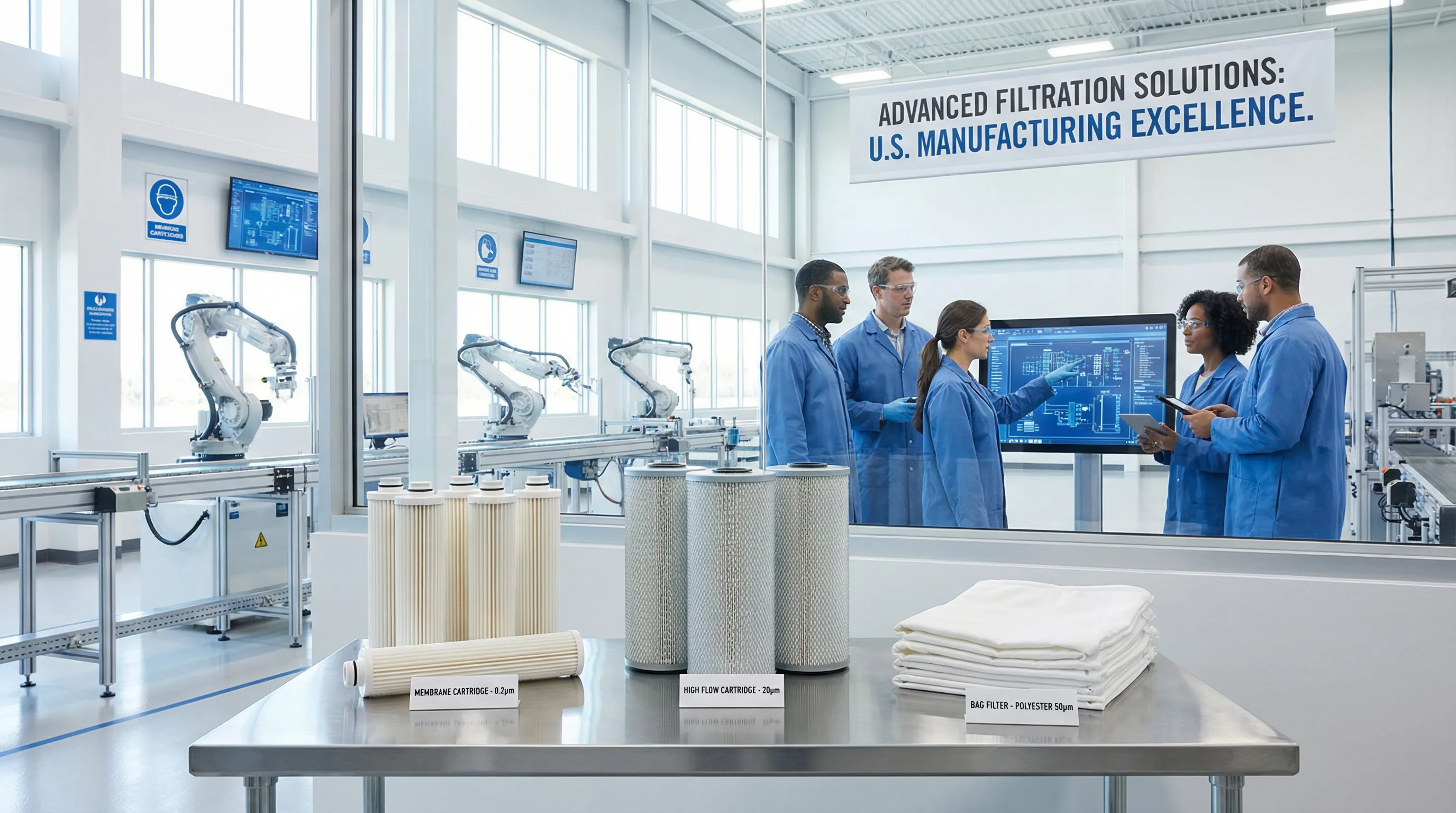
There are several standard filter classes deployed throughout manufacturing plants:
- Membrane Pleated Filters: Utilized in precision industries like pharmaceuticals and microelectronics, these filters deliver fine particle and microbial retention. Their pleated design maximizes surface area, yielding high flow rates and consistent micron-level filtration. For example, Pullner Filter’s pleated membrane cartridges are commonly specified for sterile water and critical solvent purification.
- High Flow Filter Cartridges: Designed for bulk process streams, these filters offer high dirt-holding capacity and efficient removal of particles above a certain micron size, ideal for cooling water, process liquids, and CIP (clean-in-place) systems.
- Bag Filters: Often used in less critical applications for coarse particle removal from process water, adhesives, or chemicals.
- Depth Filters: Made from fibrous or porous materials, these are effective for retaining a broader spectrum of particle sizes, often as prefilters in multi-stage filtration systems.
- Panel and Cartridge Air Filters: Deployed in HVAC systems and cleanroom air management to prevent dust, pollen, microbes, and airborne oil mist from contaminating the environment or sensitive manufacturing steps.
The selection of a filter type is dictated by the specific application, fluid properties, required micron rating, flow rate, and regulatory needs.
How Industrial Filters Work: Core Principles
Industrial filters operate on the principle of physical separation. As liquid or gas flows through the filter media, contaminants larger than the designated micron rating are retained, while purified fluid passes onward.
Filtration Mechanisms
- Surface Filtration: Here, contaminants are held on the surface of the filter medium. Membrane filters from Pullner Filter exemplify this, with precise control over pore size for repeatable, sharp-cutoff filtration.
- Depth Filtration: Multiple layers of fine material capture particles and microbes throughout the filter thickness, suitable when retention of a broad range of particle sizes is necessary.
Micron Ratings and Bacterial Interception
- The micron rating is a key specification – it indicates the smallest particle size the filter will reliably remove. For sterile process fluids, cartridges might be rated at 0.2 microns to effectively intercept bacteria such as Brevundimonas diminuta, a validation benchmark in pharmaceutical applications.
- High-performance filter cartridges, like those produced in Pullner Filter’s ISO-classified facility, achieve high retention with low differential pressure, ensuring both safety and process efficiency.
Key Applications of Industrial Filters in Manufacturing
The integration of advanced filtration technology is evident across various manufacturing processes:
- Pharmaceutical Manufacturing: Sterile water, solvents, and pharmaceutical-grade air must be free of bacteria and particulates. Pullner Filter’s pleated membrane cartridges and high-flow filters are relied upon for this purpose.
- Microelectronics: Wafer fabrication and chip assembly require extremely pure process chemicals and ultrapure water (UPW), with sub-micron filtration to prevent yield loss from microscopic contaminants.
- Food and Beverage Processing: Clarification of juices, wine, and beer: removal of yeast, bacteria, and particles from process streams, tasks where robust depth and membrane filter cartridges are essential.
- Automotive Manufacturing: Paint, coatings, and process water must be filtered to prevent blemishes, inclusions, or equipment fouling. High-flow filters are routine for cooling water and washing lines.
Pullner Filter’s 20+ production lines, supported by extensive R&D, enable rapid supply and adaptation for these diverse, demanding sectors.
Benefits of Using Industrial Filters in Manufacturing
Adopting high-performance industrial filters brings measurable advantages:
- Product Quality and Consistency: Removing particulates, microorganisms, and chemical contaminants ensures end-product uniformity and compliance with strict industry standards.
- Equipment Protection & Longevity: Filters protect pumps, valves, nozzles, and instrumentation from fouling and premature wear, reducing maintenance downtime and the risk of costly process interruptions.
- Process Optimization: Advanced filtration minimizes production bottlenecks linked to equipment failures or off-spec batches, supporting continuous improvement and lean manufacturing efforts.
- Regulatory Compliance: Filters help compliance with health, environmental, and safety standards, including FDA, GMP, and ISO requirements, increasingly critical for pharmaceuticals and food production.
- Operational Efficiency: Efficient filter solutions, such as high surface area pleated cartridges from Pullner Filter, lower energy use by minimizing pressure drop while maximizing service intervals.
Maintenance and Best Practices for Industrial Filters
Proper operation of filtration systems depends on disciplined maintenance and selection protocols:
- Routine Monitoring: Differential pressure should be monitored to identify clogging or media degradation. Predictive maintenance strategies help prevent unexpected shutdowns.
- Scheduled Cartridge Replacement: Based on flow, contaminant load, and application, cartridges are replaced to maintain validated performance. Pullner Filter provides replacement schedules tailored to client production profiles.
- Cleanroom Handling: For process-critical applications, filters should be installed and handled in cleanroom conditions to avoid introducing new contaminants. Pullner Filter’s ISO-certified cleanroom practices are a benchmark in the industry.
- Proper Sizing and Specification: Always choose filter cartridges with verified micron ratings, validated bacterial interception claims, and suitable for the chemical and thermal profile of the process fluid.
Following these guidelines extends filter service life, supports safety, and maintains consistent manufacturing output.
About Pullner
Business: Pullner
Spokesperson: Lucy
Position: Sales Manager
Phone: 0086-21-57718597
Email: [email protected]
Location: LB19-Office No.1207, Jebel Ali Free Zone, Dubai, United Arab Emirates
Website: https://www.pullnerfilter.com/
Google Maps Link: https://maps.app.goo.gl/XgLZWHjGFcmdWddt6
Frequently Asked Questions About Industrial Filters in Manufacturing
What is an industrial filter and how does it work in manufacturing processes?
An industrial filter is specialized equipment used to remove unwanted solids, contaminants, or microorganisms from gases and liquids during manufacturing. It works by physically separating impurities as fluids pass through filter media, ensuring process quality, safety, and equipment protection.
What are the main types of industrial filters used in manufacturing?
The primary types include membrane pleated filters, high flow filter cartridges, bag filters, depth filters, and panel or cartridge air filters. Each type is tailored for specific applications, from precision chemical filtration to environmental air quality control.
How does the micron rating of an industrial filter affect its performance?
The micron rating determines the smallest particle size a filter can reliably remove. For example, a 0.2-micron cartridge is crucial in pharmaceutical applications to intercept bacteria and achieve sterile filtration standards.
Why are industrial filters important for regulatory compliance in manufacturing?
Industrial filters help manufacturers meet strict health, environmental, and safety regulations, including FDA, GMP, and ISO standards. By removing contaminants, they ensure products are safe for consumers and compliant with industry requirements.
How often should industrial filter cartridges be replaced?
Cartridge replacement schedules depend on flow rates, contaminant load, and specific application requirements. Routine monitoring of differential pressure and adherence to manufacturer-recommended intervals help maintain filtration efficiency and avoid production downtime.
What are the key benefits of using advanced industrial filtration systems?
Advanced filtration improves product quality, protects equipment, optimizes processes, reduces maintenance downtime, and supports operational efficiency, making it a critical investment for modern manufacturing operations.