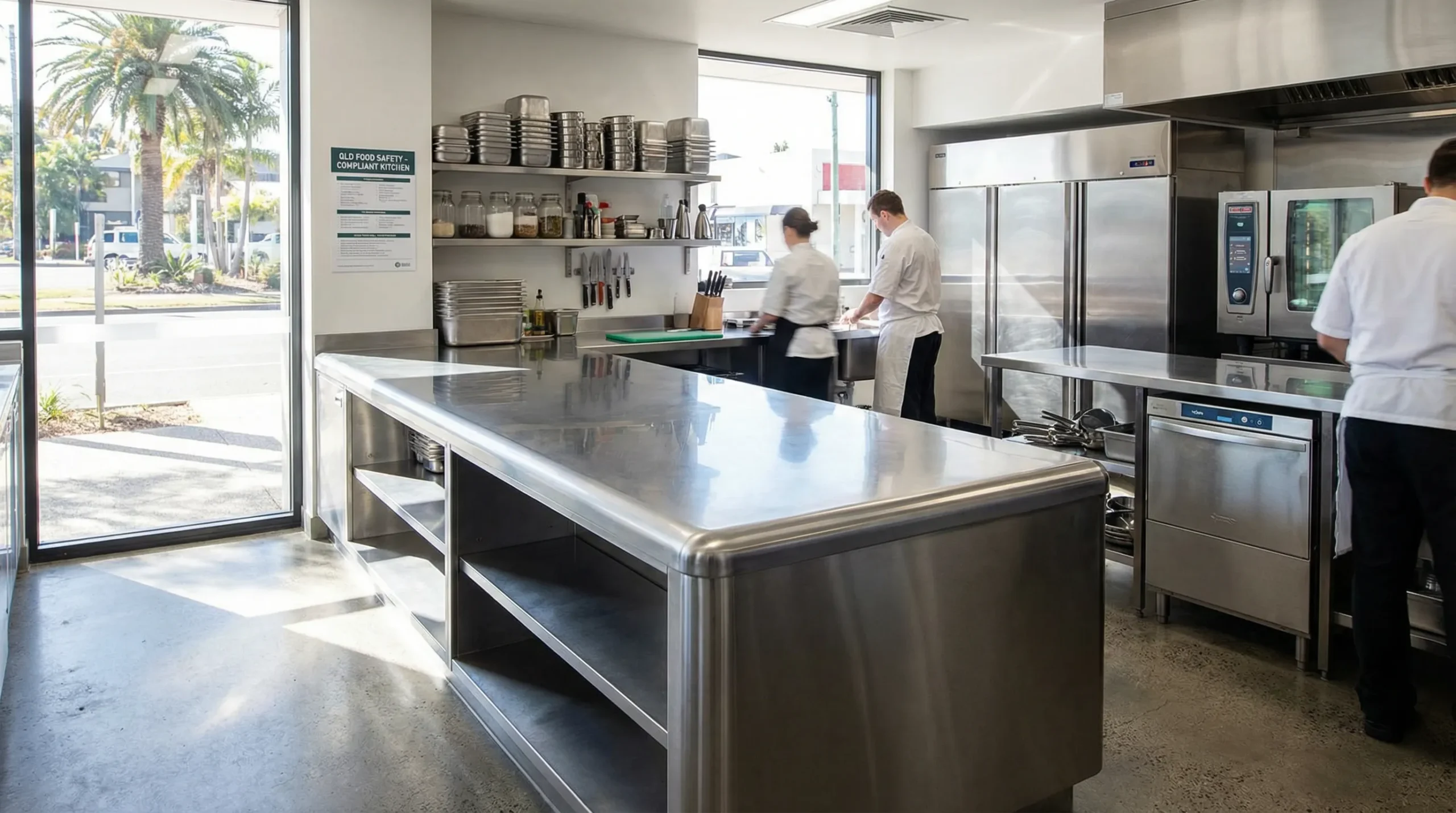
Selecting the right stainless steel benches for a commercial kitchen is a decision that directly impacts food safety, efficiency, and day-to-day operations. For busy kitchens across Queensland and Australia, stainless steel remains the preferred choice due to its resilience and ease of cleaning. This article outlines the core factors to consider, the types and features available, and practical maintenance tips to help you make a confident, informed choice.
Key Takeaways
- Choosing the right stainless steel bench is crucial for maintaining hygiene and efficiency in commercial kitchens.
- Always assess your kitchen’s space, layout, and workflow before selecting a stainless steel bench.
- Look for benches made with high-grade stainless steel, strong welds, and durable frames to withstand daily commercial use.
- Selecting the right features such as shelves, splashbacks, and custom sizing can optimise both space and kitchen operations.
- Proper installation and regular maintenance will extend your stainless steel bench’s lifespan and keep it compliant with food safety standards.
Understanding the Importance of Stainless Steel Benches
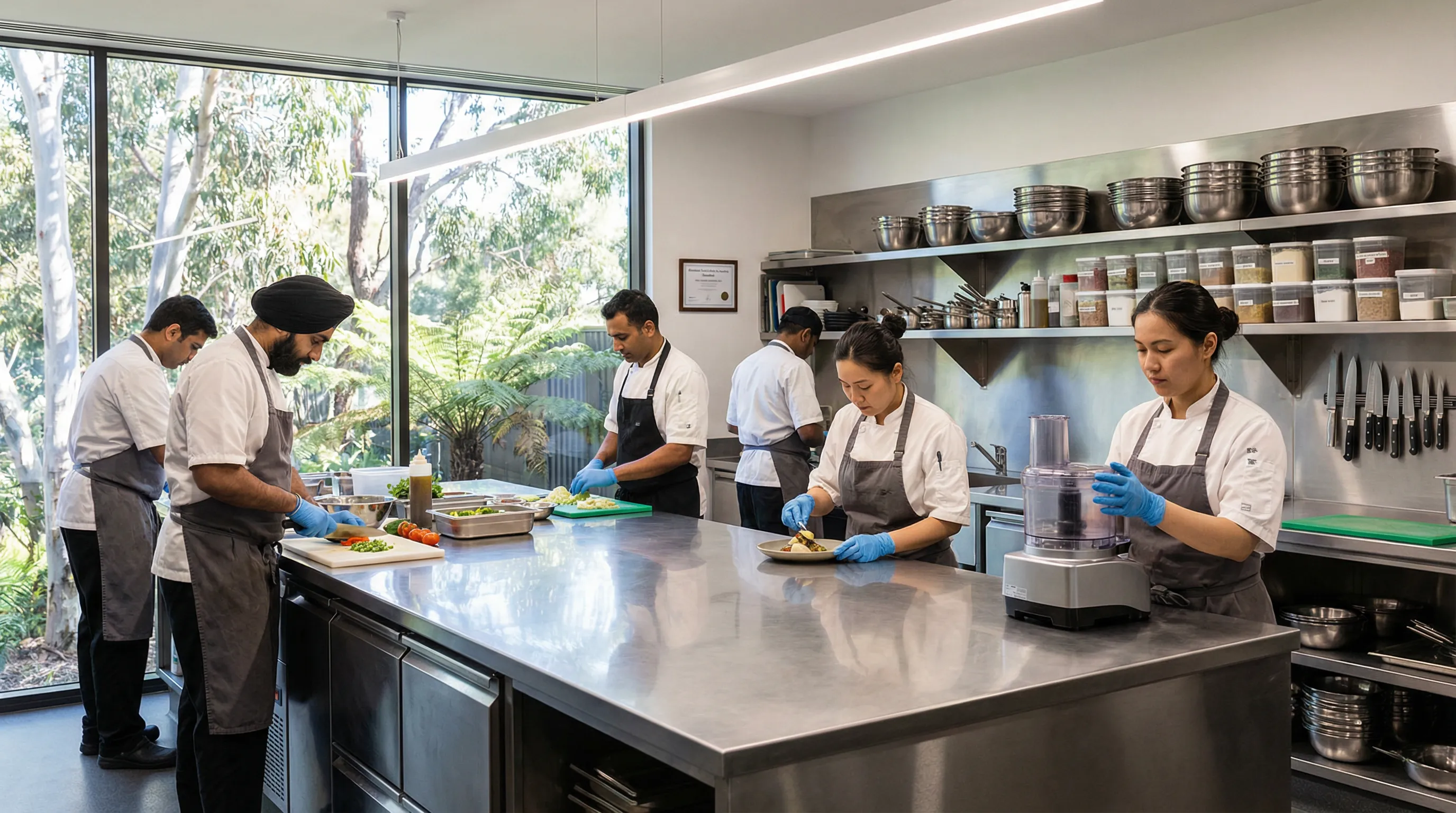
Stainless steel benches are a standard fixture in commercial kitchens across Australia, from bustling Brisbane cafés to high-volume restaurants in regional centres. Their prominence is grounded in several key advantages:
- Hygiene: Stainless steel is non-porous, which resists bacteria, mould, and food stains. This makes it much easier to maintain strict hygiene standards that are mandatory for food service establishments.
- Durability: Stainless steel benches withstand heavy use, repeated cleaning with strong chemicals, and exposure to heat or water, all everyday realities in commercial kitchens.
- Corrosion Resistance: Superior grades such as 304 or 316 stainless steel are remarkably resistant to corrosion, an essential feature for moist, humid Queensland kitchens.
- Compliance: Australian food safety codes frequently recommend or require stainless steel for food preparation areas, due to its easy-to-clean surface and resistance to contamination.
For business owners looking to fit out a new location or upgrade existing facilities, understanding these benefits is the first step towards making a sound investment that protects their staff, customers, and bottom line.
Essential Factors to Consider Before Purchasing
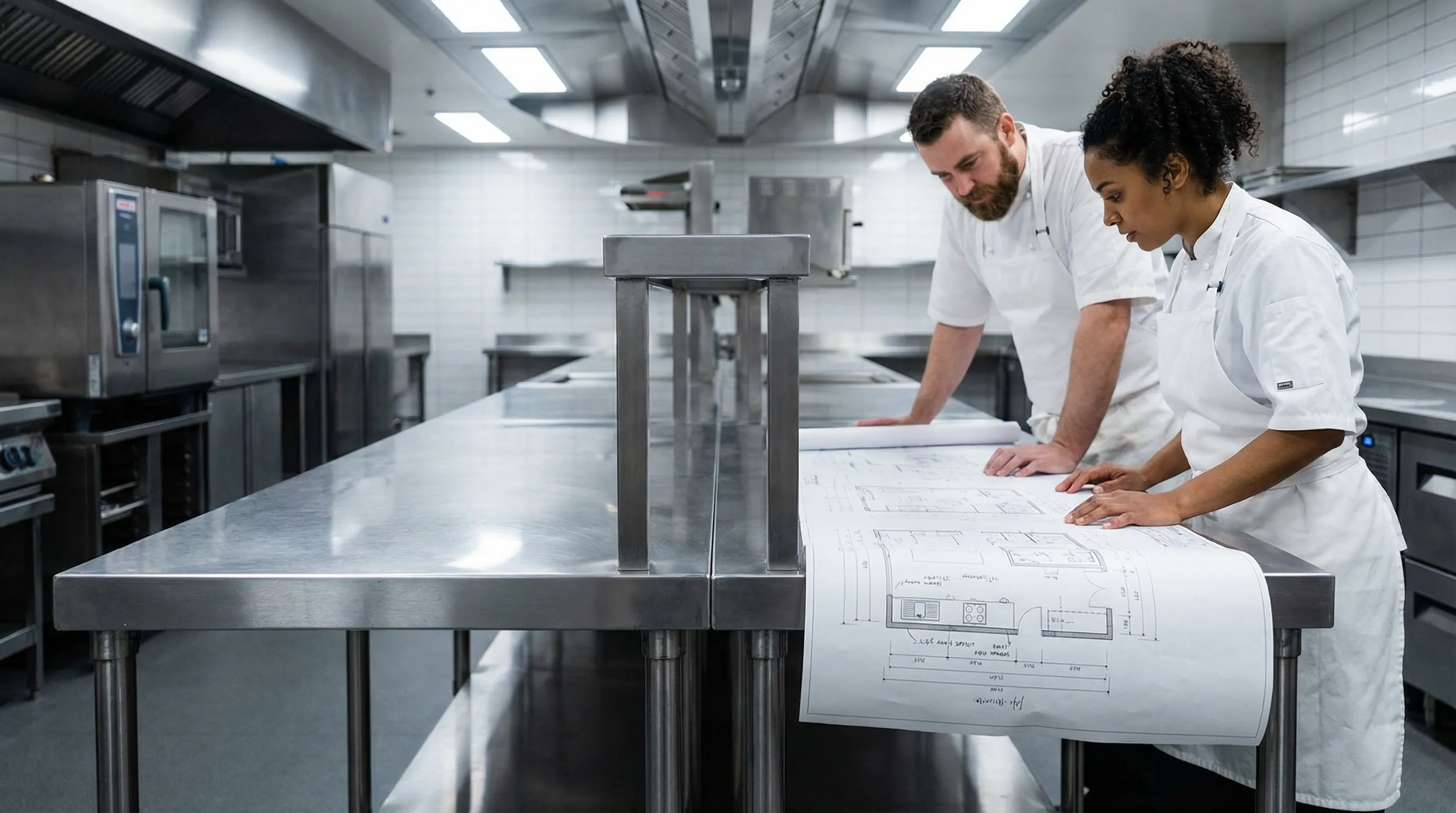
Choosing a stainless steel bench isn’t a matter of picking the first model you see. Several criteria determine whether a particular bench will function fit-for-purpose in a busy kitchen environment.
Assessing the Space and Layout of Your Kitchen
Space planning is critical in a commercial setting. First, measure available floor and wall space to avoid installation headaches. Think about how staff move, where key appliances sit, and how much bench surface you’ll actually use at peak times. L-shaped or central island benches can help help efficient workflow in larger kitchens, whereas compact wall benches might offer a better fit for tight or galley-style spaces.
Cafe Solutions, located in Queensland, offers on-site measurement and custom sizing to make sure benches fit existing layouts and meet practical workflow needs. For new kitchen setups or renovations, a clear understanding of spatial requirements saves both time and costly modifications.
Weight Capacity and Durability Requirements
Commercial kitchens rely on benches to support heavy-duty appliances (like mixers or slicers) and to handle constant physical stress. It’s vital to check the manufacturer’s specifications about maximum load ratings:
- Gauge of Steel: Thicker steel (lower gauge number) means greater strength and less risk of warping over time.
- Welding and Reinforcement: Look for continuous welds and solid frame construction, which greatly increase the bench’s capacity to withstand daily use.
- Leg Construction: Adjustable feet help ensure stability on uneven floors. Strong powder-coated or stainless steel legs offer extra longevity.
Failing to match your bench choice to operational needs can mean early repairs or replacements, a costly outcome for any food business.
Selecting the Right Bench Type and Features
Every commercial kitchen has unique needs, and the best stainless steel bench is the one tailored to your business.
Surface Finish and Hygiene Considerations
The finish on a bench impacts both appearance and functionality. Polished or satin finishes are typical: a high-polish finish is slightly easier to keep spotless, while a brushed finish can mask fingerprints and minor scratches.
From a hygiene perspective, smooth welded corners and joint-free surfaces are key. Avoid benches with unnecessary grooves or crevices, as these collect debris and complicate cleaning. Australian regulations recommend fully sealed surfaces for all food prep benches. Ask your supplier about food-grade certifications, Cafe Solutions can advise on products that exceed minimum health code requirements in Queensland.
Shelving, Storage, and Customisation Options
Commercial kitchens often juggle precious bench space and storage. Integrated undershelves, over-shelves, and splashbacks help staff keep tools within arm’s reach, without cluttering work areas. Lockable castors can make benches mobile for easier cleaning beneath and allow flexible kitchen reconfiguration.
Some suppliers, like Cafe Solutions, offer custom options for benchtops, edge types, or integrated sink units. If your kitchen processes require immediate access to ingredients or utensils, bench storage can save time in service. Always weigh up these customisation features against your actual workflow, excessive features can crowd your space or become difficult to clean if not needed.
Installation and Maintenance Tips
Once you’ve settled on the right stainless steel bench, correct installation and maintenance keep it in peak condition. Whether you employ a professional installer or use an in-house team, ensure the bench is level and secure, especially when supporting heavy gear.
For best results:
- Level Placement: Always use a spirit level and adjust feet to make sure the bench doesn’t wobble, particularly important in older Queensland buildings.
- Secure Fixing: Wall-mounted models or those used for food processing equipment may require extra fixings to prevent movement.
- Initial Clean: Remove all protective plastic film and give the bench a thorough clean before first use using a mild detergent.
Ongoing care is just as straightforward:
- Wipe down surfaces between tasks with warm, soapy water.
- Avoid chlorine bleach, which can corrode even high-quality stainless steel.
- Rinse thoroughly and dry after cleaning to prevent water spots and residue.
- Check fasteners and joints periodically for signs of wear or movement (especially important in high-use kitchens).
Cafe Solutions offers post-sale support and advice for their Queensland clients, ensuring your equipment meets food safety standards now and into the future.
About Cafe Solutions
Business: Cafe Solutions
Spokesperson: Russell Crawford
Position: Spokesperson
Phone: (07) 3184 8441
Email: [email protected]
Location: 12 Kingsbury St, Brendale QLD 4500
Website: https://cafesolutions.com.au/
Frequently Asked Questions About Choosing a Stainless Steel Bench for Your Commercial Kitchen
What are the main benefits of using a stainless steel bench in a commercial kitchen?
Stainless steel benches offer unmatched hygiene, durability, and corrosion resistance, which are essential for commercial kitchens. They are non-porous, easy to clean, and comply with Australian food safety standards, making them a top choice for food service operations.
How do I determine the right size and layout for my stainless steel kitchen bench?
Start by carefully measuring your available space and considering your kitchen’s workflow. L-shaped or central benches suit larger kitchens, while compact benches fit smaller or galley-style layouts. Accurate measurements help avoid costly installation issues and optimise efficiency.
What should I look for in terms of durability when choosing a stainless steel bench?
Check the steel gauge; lower numbers mean thicker, stronger metal. Opt for benches with continuous welds and reinforced frames, plus adjustable legs for stability on uneven floors. These features ensure your bench withstands daily commercial use and heavy equipment.
How can I ensure my stainless steel bench meets Australian food safety requirements?
Select benches with smooth, weld-sealed corners and joint-free surfaces to prevent debris collection and make cleaning easier. Verify if your supplier, such as Cafe Solutions, provides food-grade certifications and products that meet or exceed Queensland’s safety standards.
Are there customisation options available for stainless steel benches?
Many suppliers, including Cafe Solutions, offer custom sizes, shelving, sink units, and edge profiles. Consider your kitchen’s workflow before adding features—while storage and mobility are useful, unnecessary features may crowd your space or complicate cleaning.
What is the best way to maintain a stainless steel kitchen bench?
Wipe the bench with warm, soapy water between uses, avoid chlorine bleach, and always dry surfaces thoroughly. Check fastenings regularly for wear and make sure the bench remains level to prolong its life and maintain food safety standards.